


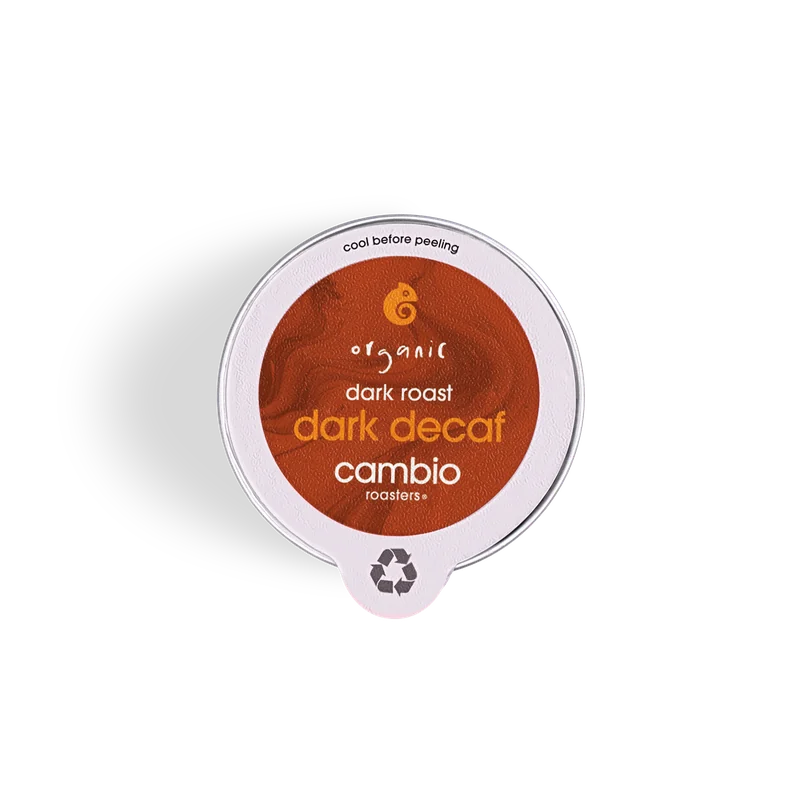

Quick Answer: Special roast coffee differs from regular coffee at nearly every stage: specialty-grade beans free of defects, small-batch roasting instead of high-speed bulk production, and a final cup with far more nuanced flavor. Regular coffee prioritizes volume and consistency over character. The tradeoff is price; special roast coffee costs more, but that premium reflects better sourcing, more careful roasting, and a cup that actually tastes like where it came from.
Coffee enthusiasts often find themselves navigating a sea of choices when selecting their perfect cup. Among those options, the distinction between special roast coffee and regular roasts stands out as one of the most meaningful.
At a glance, they might seem similar, but the differences in bean selection, roasting methods, flavor profiles, and even ethical considerations set them apart in ways that show up directly in the cup. Let's explore these distinctions in detail so you understand what actually makes special roast coffee unique.
How Does Bean Selection Differ Between Special Roast and Regular Coffee?
The journey of coffee starts with the beans. Regular coffee typically uses beans graded for mass production, prioritizing quantity over quality. These beans are often harvested through automated processes, which can let through beans with minor defects that would otherwise be screened out.
Special roast coffee relies on specialty-grade beans instead, meaning beans evaluated as having no inherent defects and genuine flavor potential, a standard closely tied to the cupping protocols the Specialty Coffee Association uses to separate top-tier coffee from the rest.
These beans are carefully handpicked, so only the finest make it into your cup. We source 100% organic, specialty-grade beans from renowned coffee-growing regions worldwide, with real emphasis on sustainable farming practices.
How Do Roasting Techniques Differ Between Special and Regular Roasts?
Roasting is where beans transform from green to the aromatic, flavorful coffee we actually recognize. Regular roasts are often produced in large, automated batches that prioritize speed and cost efficiency, an approach that can compromise the nuanced flavors already present in the bean.
Special roast coffee takes the opposite approach: small-batch roasting by an expert roast master. That meticulous process allows precise control over temperature and timing, letting each bean's unique characteristics fully develop rather than getting flattened out by a one-size-fits-all schedule.
Our own small-batch roasting is built around exactly this principle, aiming for a consistent, high-quality experience that still brings out complex flavor notes.
How Do Flavor Profiles Differ Between Special Roast and Regular Coffee?
One of the most noticeable differences between special and regular roasts is the flavor itself. Regular coffee tends to lean on uniformity, aiming for a consistent, broadly appealing taste rather than a distinctive one.
Special roast coffee, by contrast, is all about diverse, refined flavor profiles. Depending on origin and roast level, these coffees can offer bright acidity, fruity or floral notes, chocolatey undertones, or full-bodied richness.
Light roasts tend to be bright and acidic, highlighting the bean's natural character. Medium roasts strike a balance, with rounded aromas and a hint of caramel sweetness. Dark roasts push toward bold, smoky flavor with noticeably lower acidity, the kind of profile we lean into with roasts like our Sumatran.
Here is how the two categories compare once you line them up side by side.
| Factor | Regular Coffee | Special Roast Coffee |
|---|---|---|
| Bean grading | Mass-production grade, some defects allowed | Specialty-grade, evaluated as defect-free |
| Roasting method | Large-batch, speed-focused | Small-batch, precisely controlled |
| Flavor profile | Consistent, broadly appealing | Diverse, nuanced, origin-driven |
| Sourcing transparency | Often limited | Direct trade, fair trade emphasis |
| Price point | Lower | Higher, reflecting quality and sourcing |
How Do Special Roast and Regular Coffee Compare on Ethics and Sustainability?
Ethical sourcing and sustainability have become genuinely important factors for coffee lovers in recent years.
Regular coffee often lacks transparency in its supply chain, which can contribute to poor working conditions for farmers and unnecessary environmental impact. If you want a deeper read on how coffee quality actually gets verified at the professional level, our Q-Grader explainer covers exactly that process.
Special roast coffee, like our Sumatran pods, takes a different approach entirely. Our commitment to direct trade, fair trade, and sustainability ensures coffee farmers are fairly compensated, and the environment is respected throughout.
By supporting small farms and using recyclable aluminum pods, we cut waste and support a healthier planet at the same time.
Are There Health Differences Between Special Roast and Regular Coffee?
Special roast coffee often retains more of the bean's natural antioxidants and nutrients, thanks to more careful processing and roasting. Lower-quality coffee can lose some of these benefits through over-roasting or the use of lower-grade beans to begin with.
Special roast coffee also tends toward a cleaner, fresher taste, which makes it more enjoyable without needing excessive sugar or cream, something that lines up well with healthier consumption habits generally. If you don't want the caffeine, we also have half-caff coffee pods as well.
Is Special Roast Coffee Worth the Extra Cost?
Special roast coffee is often pricier than regular options, and that investment reflects real differences: superior quality, ethical sourcing, and richer flavor. Regular coffee may be more affordable up front, but that savings often comes at the cost of taste and sustainability further down the line.
Choosing special roasts means you are not just paying for a cup of coffee. You are supporting better farming practices and a genuinely exceptional coffee experience at the same time.
What Sets Cambio Roasters Apart?
We believe in crafting coffee that is better for people and the planet at every stage. That starts with 100 percent organic beans, ensuring a pure, wholesome cup from the very first step.
It continues through innovative packaging: our recyclable aluminum pods offer a genuinely sustainable alternative to plastic, in line with our broader commitment to environmental stewardship. And it extends to giving back, since a portion of our profits supports coffee-farming families through partners like Food4Farmers.
So, Which Should You Choose?
Choosing between special roast coffee and regular roasts ultimately comes down to personal preference and values. If you prioritize flavor, sustainability, and ethical sourcing, special roast coffee is the clear winner. We are proud to offer a product that tastes extraordinary while also making a genuinely positive impact.
The next time you reach for a light roast pod, consider what is actually behind it: where it is from, how it is made, and the difference that choice makes. With special roast coffee, you are not just sipping a beverage.
You are experiencing a bit of craftsmanship, care, and commitment in every cup, including seasonal options like our Pumpkin Spice pods when they are available.
Special roast coffee is crafted with extra care and precision, often highlighting unique flavor profiles and higher-quality beans. If you are ready to taste the difference expert roasting makes, explore our exclusive lineup of special roast coffee pods created for discerning coffee drinkers.
Frequently Asked Questions
What does "special roast" or "specialty-grade" coffee actually mean?
Specialty-grade coffee refers to beans evaluated as free of inherent defects with genuine flavor potential, generally scoring 80 or higher on the Specialty Coffee Association's cupping scale. Regular coffee is graded for mass production rather than distinct quality.
Is special roast coffee actually better for you?
Often, yes, in small ways. Special roast coffee tends to retain more natural antioxidants thanks to careful processing and roasting. It also has a cleaner flavor profile, which can reduce reliance on added sugar or cream for enjoyment.
Why does special roast coffee cost more than regular coffee?
The price reflects real differences: specialty-grade beans, small-batch roasting, and more transparent, ethical sourcing. Regular coffee cuts costs through mass production and automated processing, which shows up as a lower price and a less distinctive cup.
Does roast level affect how special or regular a coffee tastes?
Yes. Light roasts highlight bright, acidic, origin-driven notes. Medium roasts balance body with subtle sweetness. Dark roasts emphasize bold, smoky flavor with lower acidity. Special roast coffee tends to express these differences more distinctly than mass-market blends.
How can I tell if a coffee is genuinely specialty-grade?
Look for transparency: origin details, roast dates, and direct or fair trade sourcing claims you can actually verify. Brands that disclose where and how beans are sourced are far more likely to be delivering genuine specialty-grade quality.