



Quick Answer: Oven-roasted coffee beans win on raw freshness and customization since you control the roast level and brew beans within days, not months. Store-bought coffee, especially from a brand that small-batch roasts and seals beans in freshness-preserving packaging, wins on consistency and convenience without asking you to babysit an oven. If flavor and control matter more than saving time, roast your own. If a reliably great cup matters more than the process, a quality store-bought roast gets you there faster.
When it comes to coffee, flavor is king. Coffee lovers often debate the best way to reach the perfect cup, and one topic that comes up again and again is the comparison between oven-roasted coffee beans and store-bought options.
Convenience often makes store-bought coffee the go-to choice, but oven-roasting offers a hands-on approach to building a truly personalized coffee experience. So which option actually wins on flavor? Let's dig in.
What Are Oven-Roasted Coffee Beans?
Oven roasting is a DIY method of turning green coffee beans into the aromatic brown beans we know and love. You can do this at home using a conventional oven. It takes some time, effort, and a bit of experimentation, but many coffee enthusiasts swear by the unmatched freshness and control it offers.
What Is the Store-Bought Coffee Bean Experience Like?
Store-bought coffee beans are pre-roasted by professionals and available in a wide range of roasts and blends. They offer convenience, consistency, and plenty of options to choose from. That said, quality and freshness can vary significantly depending on the brand and how the beans are stored before they reach you.
Freshness or Convenience: Which Matters More for Flavor?
The moment coffee beans are roasted, they start losing freshness. Oxygen, light, and moisture degrade the beans over time, dulling their flavor bit by bit.
According to a literature review on coffee staling published by the Specialty Coffee Association, staling begins almost immediately after roasting and accelerates once beans are ground or exposed to air. Oven-roasted beans let you enjoy your coffee at peak freshness since you control exactly when and how the beans are roasted.
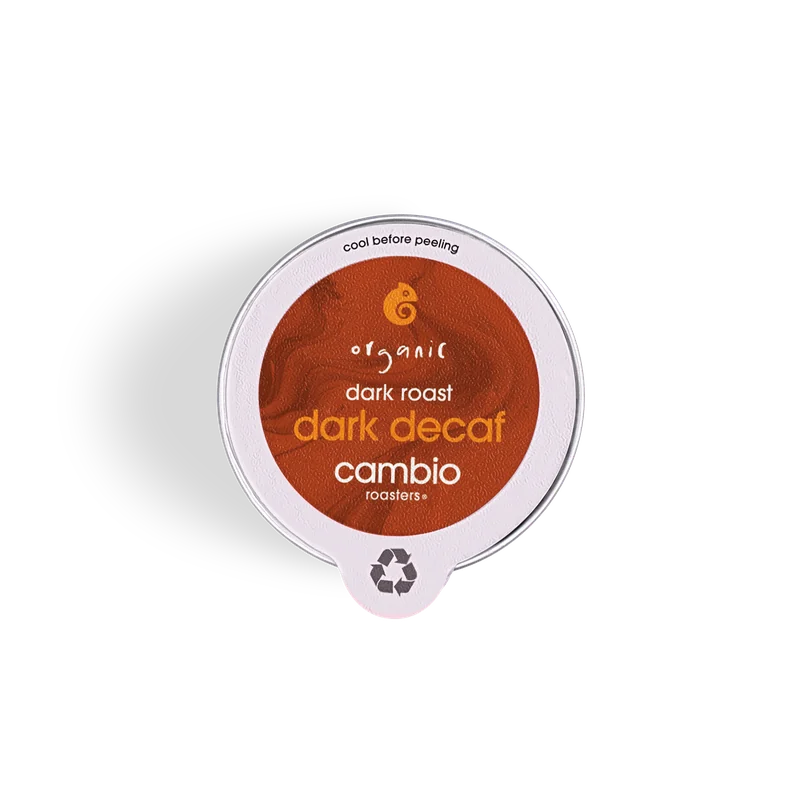
Store-bought beans, even from premium brands, may have been roasted weeks or months before they reach your cup. Reputable companies like ours prioritize freshness through small-batch roasting and aluminum-sealed pods, but even that cannot fully match the just-roasted quality of DIY beans.
Oven-roasting also lets you customize the roast level to your liking. Want a light roast for its bright, acidic notes, or a dark roast for a bold, smoky flavor? With oven roasting, you are in charge of that decision every single batch. This level of control can help you discover your ideal coffee profile over time.
Store-bought options typically come in standard roast levels, light, medium, and dark, without much room for customization, though premium brands like ours offer expertly curated blends across our light roast collection that cover a wide range of preferences without any guesswork.
How Does Home Coffee Roasting Actually Work?
Roasting coffee beans at home starts with choosing high-quality green beans, available from specialty retailers or online stores.
From there, you preheat your oven to somewhere between 400 and 450 degrees Fahrenheit for an even roast, then spread a single layer of beans across a perforated baking sheet so heat reaches every bean evenly.
The beans roast for roughly 15 to 20 minutes, and you will want to stir them every five minutes to keep the browning even throughout.
Once the beans hit your target color, they need to cool quickly. Transfer them to a metal colander and stir to bring the temperature down fast, which helps stop the roasting process at the right moment.
After that comes the part most home roasters skip: letting the beans rest for 24 to 48 hours so they can degas and release carbon dioxide, which is essential for developing their full flavor before you brew.
Oven roasting delivers a genuinely hands-on, rewarding experience, and it lets you roast in small batches, so you always have fresh beans on hand rather than a pantry full of stale ones.
What Makes Store-Bought Coffee So Convenient?
Store-bought coffee is the epitome of convenience. It arrives pre-roasted, packaged, and ready to brew. For anyone with a busy schedule, it eliminates the time and effort roasting at home requires.
Brands that employ expert roast masters, like ours, craft blends with consistent flavor and aroma from batch to batch. That reliability is something that can be genuinely hard for beginners to replicate at home, especially in the first few attempts.
Here is how the two approaches actually compare once you set them side by side.
| Factor | Oven-Roasted at Home | Store-Bought (Quality Brand) |
|---|---|---|
| Freshness | Peak freshness, roasted on your schedule | Very good if small-batch roasted and sealed well |
| Flavor control | Full control over roast level and timing | Limited to available roast options |
| Consistency | Varies with skill and experience | Consistent batch to batch |
| Time investment | Significant, plus a 24 to 48 hour rest period | Minimal, ready to brew |
| Best for | Hands-on hobbyists chasing peak freshness | Anyone wanting reliable flavor without the process |
Which Wins the Flavor Showdown?
Freshly roasted beans offer vibrant flavor that is often more nuanced and aromatic simply because less time has passed since roasting. The control over roast level means you can bring out specific flavor notes, from fruity and floral to rich and chocolatey, depending on exactly how far you take the roast.
Store-bought coffee is not far behind when the brand does it right. Ours, for instance, uses 100% organic, specialty-grade beans that are small-batch roasted for maximum freshness and sealed in aluminum pods to lock in flavor before it ever has a chance to fade.
Which Option Is More Sustainable?
Home roasting can lower your packaging footprint since you are typically buying green beans in bulk and skipping single-use packaging altogether, though it does require electricity or gas to run the roast.
We address sustainability from the other direction, through aluminum pods that are infinitely recyclable and cut plastic waste, alongside sourcing from sustainable farms and supporting coffee-growing communities through profit-sharing.
Which Should You Choose?
Oven roasting makes the most sense if you love experimenting with flavors and roast levels, freshness is your top priority, and you genuinely enjoy hands-on projects in the kitchen.
Store-bought makes more sense if convenience and time matter more to you, you want consistent flavor without a learning curve, and you would rather trust expert roasters than manage the process yourself.
If you are leaning toward store-bought, we think we offer the best of both worlds. Our commitment to quality, sustainability, and freshness through small-batch roasting means you get exceptional coffee while supporting eco-friendly practices and coffee-farming communities at the same time.
So, Which Actually Tastes Better?
The debate between oven-roasted and store-bought coffee ultimately comes down to personal preference. Oven roasting gives you control and unmatched freshness, while store-bought options give you consistency and convenience.
Whichever you choose, the key to great coffee is the same either way: high-quality beans, brewed with care. You can also explore our light roast aluminum coffee pods if you want that bright, fresh-roasted character without touching an oven.
We invite you to explore the world of coffee, whether that means trying one of our expertly crafted blends or trying your hand at roasting your own beans at home. Whichever path you take, your next cup is sure to be unforgettable.
Oven-roasting coffee at home can be a genuinely fun experiment, but it rarely matches the consistency and flavor of professionally roasted beans right out of the bag. For a reliably rich, balanced cup every time, explore our expertly roasted coffee pods that bring out the best in every bean, no oven required.
Frequently Asked Questions
Does oven-roasted coffee actually taste better than store-bought?
It can, mainly due to freshness. Home roasting lets you brew within days of roasting, while store-bought beans may be weeks old. Quality store-bought coffee that is small-batch roasted and well sealed narrows that gap significantly.
How long should roasted coffee beans rest before brewing?
Most home roasters should rest beans for 24 to 48 hours after roasting. This resting period, called degassing, releases carbon dioxide and allows the full flavor to develop before you grind and brew.
Is home roasting coffee beans actually cheaper than buying pre-roasted coffee?
It can be, since green beans typically cost less than roasted coffee. However, factor in your time, the equipment involved, and the learning curve before landing on beans you are genuinely happy with.
What temperature should I use to roast coffee beans in the oven?
Most home roasters use 400 to 450 degrees Fahrenheit for an even roast. Spreading beans in a single layer and stirring every few minutes helps prevent uneven browning or scorched spots on individual beans.
Is store-bought coffee always less fresh than home-roasted coffee?
Not necessarily. Freshness depends more on how recently beans were roasted and how they are packaged than on where they came from. Small-batch roasted, well-sealed store-bought coffee can stay remarkably fresh for weeks.