

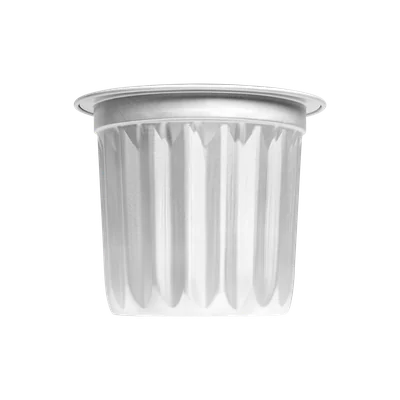
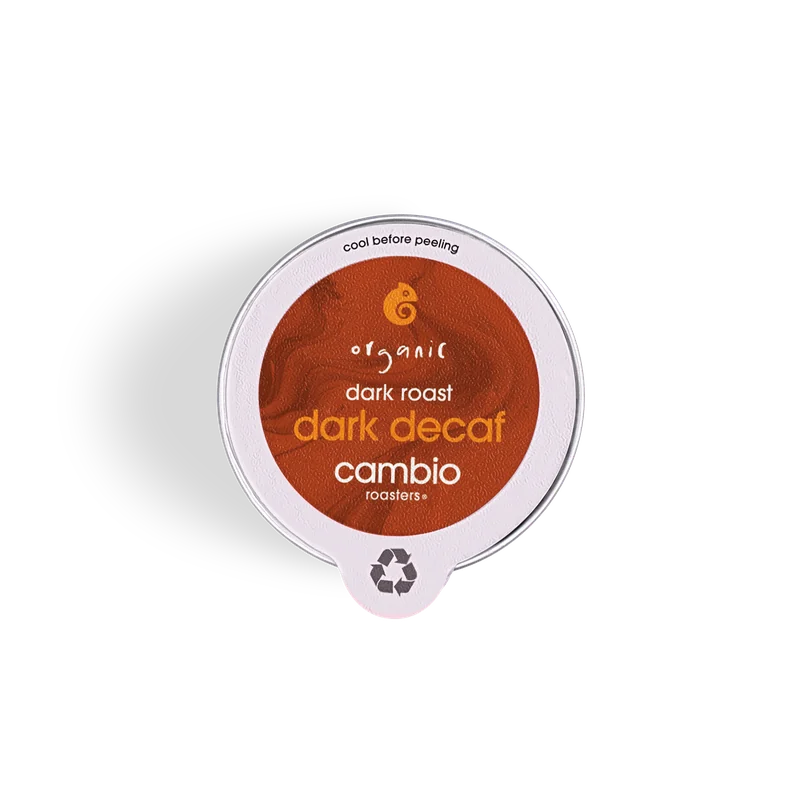

Quick Answer: The best organic coffee pods without plastic use certified organic beans sealed in a recyclable aluminum pod. Aluminum keeps coffee fresher than plastic or compostable materials and can be recycled forever without losing quality. Compostable pods are a step up from plastic, but most need an industrial composting facility to break down. For the best mix of flavor, freshness, and sustainability, look for organic, specialty-grade Arabica in a plastic-free aluminum K-Cup® compatible pod.
Here's something most coffee drinkers never think about: the cup you drink every morning starts its life long before you hit brew, and it keeps going long after you toss the pod.
Where the beans were grown, how they were farmed, and what they were packed in all shape the flavor in your mug and the footprint you leave behind. We built Cambio Roasters around one simple idea. You shouldn't have to choose between a great cup and a clean conscience.
What Are Organic Coffee Pods Without Plastic?
Organic coffee pods without plastic are single-serve pods filled with organically grown coffee and packed in materials like aluminum or plant-based fibers instead of plastic. They fit K-Cup® compatible brewers and brew just like the pods you already know.
Our organic coffee pods pair specialty-grade organic beans with a fully plastic-free aluminum pod, so you get the convenience of single-serve without the plastic waste.
Why Go Organic and Plastic-Free?
Going organic and plastic-free tackles two problems at once: what goes into your body and what goes into the trash. Organic coffee is grown without synthetic pesticides or synthetic fertilizers.
That protects the soil, the water, and the farmers who work the land, and it often shows up in the cup as a cleaner, more vibrant flavor. The USDA National Organic Program sets the standards behind the organic label, so you know what you're getting.
The plastic side matters just as much. Most traditional single-serve pods are made from mixed materials that are hard to recycle, and plastic overall has a low recycling rate. According to the U.S. Environmental Protection Agency, only about 8.7% of plastics were recycled in the United States in 2018.
The rest ended up in landfills or burned. The Ellen MacArthur Foundation has even projected that, by weight, there could be more plastic than fish in the ocean by 2050 if nothing changes. That's a big reason we went fully plastic-free from day one.
What Sets Cambio Roasters Pods Apart?
Three things set our pods apart: the beans, the pod, and the purpose behind them. We source 100% specialty-grade Arabica from small farms in Colombia, Guatemala, and Ethiopia. These are high-altitude growing regions known for complex, layered flavor. We roast in small batches so every bag and every pod tastes the way it should.
Then we seal that coffee in aluminum. Aluminum is one of the best barriers against oxygen, light, and moisture, which are the three things that make coffee go stale. That means the coffee you brew tastes as fresh as the day we roasted it. And because we care about every cup, the same goes for our aluminum decaf coffee pods, which get the same protection as our fully caffeinated blends.
I've spent more than 25 years in consumer packaged goods, and I've seen brands cut corners on packaging to save a few cents. It always shows up in the cup. We decided early on that the pod deserved as much attention as the coffee inside it.
Compostable vs. Recyclable Coffee Pods: Which Is Better?
Recyclable aluminum pods are usually the better choice because aluminum can be recycled endlessly and works with existing recycling systems. Compostable pods sound great on paper, but most of them need an industrial composting facility to break down properly.
Many towns don't have one, and compostable pods tossed in a backyard pile or a landfill often don't break down the way the label suggests. Compostable materials also tend to let in more air, so many brands wrap them in extra outer packaging to keep the coffee fresh.
Aluminum works differently. According to The Aluminum Association, nearly 75% of all aluminum ever produced is still in use today. Recycling aluminum also takes about 95% less energy than making new metal from raw ore. Here's how the main pod materials compare side by side.
| Feature | Aluminum Pods | Compostable Pods | Plastic Pods |
|---|---|---|---|
| Plastic-free | Yes | Usually | No |
| Freshness protection | Excellent | Low to moderate | Moderate |
| End of life | Recycled infinitely | Industrial composting needed | Mostly landfill |
| Quality loss when recycled | None | Not applicable | Degrades each cycle |
| Works with curbside systems | Often, check local rules | Rarely | Limited |
Want to see how to give your used pods a second life? Our recycling program walks you through the whole process.
Does Plastic-Free Packaging Change How Coffee Tastes?
Yes, and you can taste it. Coffee's aroma comes from delicate oils that start breaking down the moment they meet oxygen. Packaging that lets air in slowly dulls those flavors, even if you can't see it happening. Aluminum seals them in.
Take our light roast coffee pod as an example. Light roasts carry bright, fruity, floral notes that are some of the first to fade when coffee goes stale. In aluminum, those notes stay crisp and lively from the first pod in the box to the last. If darker, richer coffee is more your speed, our dark decaf K-Cup® coffee pods deliver bold, smooth flavor without the caffeine, protected by the same plastic-free pod.
How Do You Build a Sustainable Morning Routine?
A sustainable morning routine starts with small swaps you'll actually keep. Switching to organic, plastic-free pods is one of the easiest, because it doesn't change how you make your coffee at all. You still pop in a pod, press brew, and walk away with a great cup. The only difference is what happens to the pod afterward.
From there, it's about building good habits. Keep a small bin near your brewer for used pods so recycling becomes automatic. Pick up a reusable travel mug for the commute. Choose coffee from roasters who are open about where their beans come from and how the farmers are paid.
None of these steps take more than a few seconds, but together they add up to real change over a year of mornings. Browse our different coffee blends to find the cup that fits your routine.
How Does Cambio Roasters Support Coffee Farmers?
We go beyond fair trade by donating 20% of our profits to Food 4 Farmers, a nonprofit that helps coffee-growing communities build year-round food security. Fair trade sets a minimum price, which matters. But many coffee farming families still face months each year when food runs short. We wanted our impact to reach further than the price per pound.
We also partnered with 4Ocean in January 2025 to help pull plastic out of the ocean. For us, sustainability isn't a single feature. It's every step, from the farm to the roaster to your recycling bin.
Are Plastic-Free Coffee Pods the Future?
We believe they are, and the momentum shows it. More coffee drinkers are reading labels, asking where their beans come from, and paying attention to what happens after the last sip. Single-serve isn't going away. It's too convenient. What's changing is what people expect from it.
That shift is a big part of why Cambio Roasters was named the #4 Most Innovative Company in Consumer Goods by Fast Company in 2026. We didn't get there by doing what everyone else was doing. We got there by asking a simple question: why should convenience come with a pile of plastic?
Why Choose Cambio Roasters for Organic Coffee Pods?
Because we refuse to compromise on any part of the cup. You get specialty-grade organic Arabica from small farms, roasted in small batches. You get a plastic-free aluminum pod that keeps it fresh and recycles endlessly. And you get a company that puts real money back into the farming communities that make great coffee possible.
When you brew one of our pods, you're not just making coffee. You're supporting a better way to make it.
The Final Word
Here's the takeaway. The best organic coffee pods without plastic combine clean, organically grown beans with a pod that protects flavor and doesn't stick around as waste. Compostable pods are a step forward, but aluminum delivers the freshness and recyclability that make the biggest difference. Make the switch to our organic coffee pods and taste what a plastic-free morning can be.
Frequently Asked Questions
Are organic coffee pods without plastic compatible with K-Cup® brewers?
Yes. Our plastic-free aluminum pods work in K-Cup®-compatible single-serve brewers.
Are compostable coffee pods better than aluminum pods?
Not usually. Most compostable pods need industrial composting, while aluminum can be recycled endlessly and protects freshness better.
What makes coffee organic?
Organic coffee is grown without synthetic pesticides or synthetic fertilizers and must meet USDA National Organic Program standards to carry the organic label.
How do I recycle aluminum coffee pods?
Collect your used pods and follow the steps on our recycling page so they make it back into the recycling stream.
Do you offer organic decaf coffee pods?
Yes. We offer decaf options, including our Dark Decaf pods, all sealed in the same recyclable aluminum pod.