Quick Answer: The easiest way to switch to environmentally friendly coffee pods is to choose recyclable aluminum pods filled with organic, small-batch roasted coffee. Aluminum seals out oxygen so the flavor stays fresh, and it can be recycled again and again. Our aluminum pods are Keurig-compatible, so you keep the brewer you already own.
Why Are Traditional Coffee Pods a Problem?
Most traditional pods are built from a mix of materials glued and sealed together, which makes them hard for recycling facilities to sort. The result is that a huge number of single-serve pods end up in landfills every year, even when the person using them meant to do the right thing.
That mismatch is what pushed us to build something different. Convenience should not mean guilt every morning, and environmentally friendly coffee pods should not taste like a compromise. We’ve heard the same worry from customers for years: “I want to switch, but I don’t want weak coffee.”
What Types of Environmentally Friendly Coffee Pods Are Available?
There are three main routes, and each one works a little differently. This table shows how they compare.
| Pod type | How it works | What to know |
|---|---|---|
| Aluminum pods | Rinse and recycle in your bin | Seals out oxygen and light, recyclable again and again |
| Compostable pods | Break down in industrial composting | Need access to a commercial composting facility |
| Reusable pods | Fill with your own grounds | You grind, fill, and clean every cup |
According to the Aluminum Association, aluminum can be recycled over and over without losing quality. The EPA adds that recycling aluminum uses far less energy than making new metal from raw materials.
Compostable and reusable options can work well too, but aluminum is the one that pairs recyclability with the convenience of a ready-to-brew pod. If you’re comparing options, start with our environmentally friendly coffee pods collection.
How Do You Switch to Eco-Friendly Coffee Pods Without Losing Flavor?
Flavor comes down to three things: the beans, the seal, and your brew habits. Get those right, and you won’t miss your old pod.
Does the Coffee Quality Matter More Than the Pod?
It matters first. A great pod can’t rescue weak beans, so look for organic, specialty-grade Arabica that’s roasted in small batches. Ours are exactly that, and you can read about how we source and roast our coffee.
How Does Brewing Affect Pod Flavor?
Our aluminum pods are Keurig-compatible, which means they fit the single-serve brewer you already have. The sealed aluminum shell blocks oxygen, one of the biggest enemies of fresh coffee. For the best cup, run a quick water cycle before your first brew and choose a smaller cup size if you like a stronger taste.
Which Roast Should You Try First?
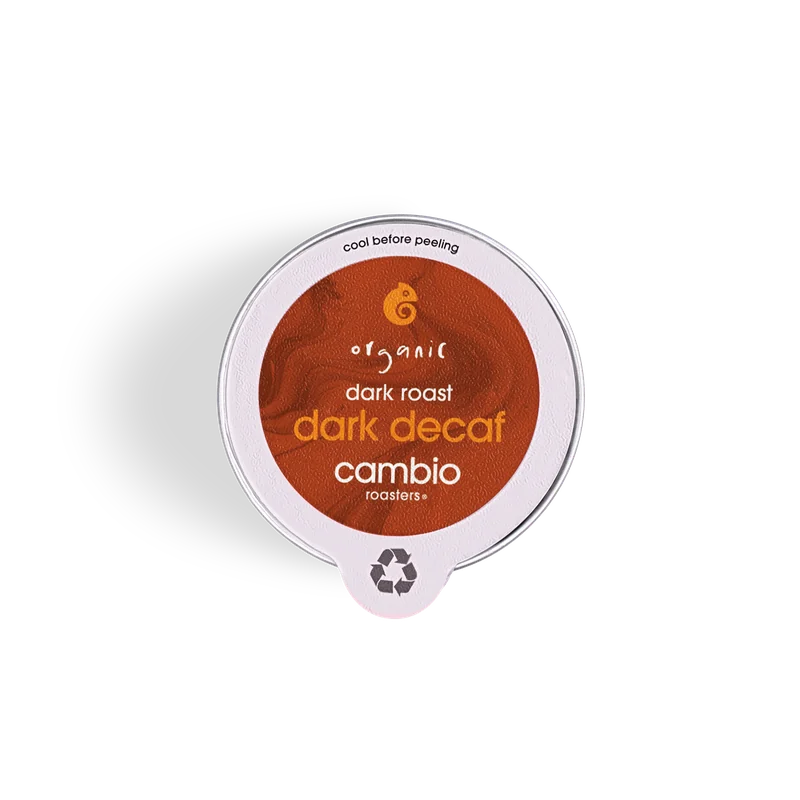
Experiment, because roast changes everything. If you like a balanced everyday cup, try our Medium Roast coffee pods. If you want to cut back on caffeine, our limited edition Half-Caff is a gentle step down, and our Dark Decaf coffee pods keep the bold flavor without the caffeine.
[Image placeholder: pods being emptied and rinsed for recycling]
What Are the Benefits of Aluminum Pods for Sustainability and Flavor?
Aluminum does two jobs at once. For the planet, it is recyclable repeatedly, and many curbside programs accept it. For flavor, the airtight shell protects the coffee from oxidation, so the last pod in the box tastes like the first.
We pair that material with a plan for what happens after the brew. Our non-plastic coffee pods are designed for curbside recycling, and our recycling page walks you through it step by step. Those same eco coffee pods are K-Cup® compatible, so there’s nothing new to buy or learn.
What Does a Sustainable Coffee Routine Look Like?
Small habits make the biggest difference. Peel back the lid, empty the grounds, rinse the pod, and place it in your recycling bin. Used grounds make great compost and can feed garden soil, so nothing needs to go to waste.
Support brands that are open about where they stand, too. We’re family-run, and we give 20% of our profits to coffee-farming communities. Choosing eco-conscious coffee pods from a company like that stretches your impact beyond the recycling bin.
Why Do Our Pods Make the Transition Easy?
We built our pods for people who didn’t want to change anything except the footprint. They’re filled with organic coffee from small, sustainable farms, they’re Keurig compatible, and they recycle in your regular bin. If you want a decaf option, our decaf coffee pod is a great place to start.
The takeaway is simple. Switching to environmentally friendly coffee pods does not mean giving up flavor, convenience, or your current brewer. Pick a roast, brew a cup, and recycle the pod. That’s a guilt-free morning.
Frequently Asked Questions
Are environmentally friendly coffee pods really recyclable?
Aluminum pods are, and ours are designed for curbside recycling. Empty and rinse the pod first, then check your local program for details.
Do environmentally friendly coffee pods taste different?
Not when the coffee is high quality. Aluminum seals out oxygen and light, which helps keep aroma and flavor fresh.
Do eco-friendly coffee pods work in a Keurig brewer?
Our aluminum pods are Keurig compatible and fit most single-serve Keurig brewers.
What should I do with the grounds from my pod?
Empty them into compost or your garden, then rinse the pod and recycle it. More tips are in our frequently asked questions.
Are compostable pods better than aluminum pods?
It depends on access. Compostable coffee pods usually need an industrial composting facility, while aluminum pods go straight into most recycling bins.