



Here's something nobody tells you about being a coffee lover: the joy of a great cup comes with the occasional occupational hazard. One moment you're savoring a perfectly brewed morning blend, and the next, it's racing down your shirt or blooming across your carpet.
Coffee stain removal is a skill every dedicated coffee drinker eventually needs. The good news? Once you know the right techniques, removing coffee stains is faster and easier than most people think.
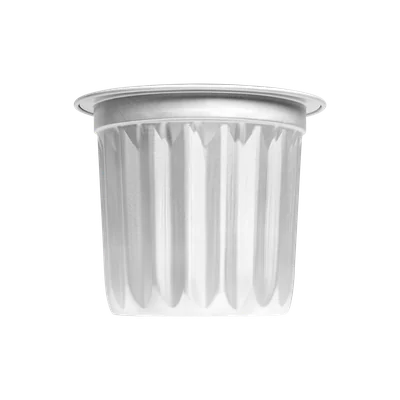
We've built our entire company around the belief that coffee should be a source of joy, not stress. From our infinitely recyclable aluminum pods to the way we source our beans, everything we do is about making the coffee experience better. That same mindset applies here. So let's take the stress out of coffee stain removal and walk you through exactly what to do, no matter where the spill lands.
Why Coffee Stains Are So Stubborn
Before you can effectively remove coffee stains, it helps to understand why they stick around in the first place. Coffee contains two key compounds that make stain removal tricky: tannins and melanoidins.
Tannins are plant-based compounds that bond aggressively with fibers and porous surfaces. Melanoidins form during the roasting process and give coffee its brown color, also contributing to how deeply that color embeds into whatever it touches. Together, these compounds create what cleaning experts call a "tannin stain," and they're notoriously stubborn on fabric, carpet, and ceramic alike.
The other factor working against you is time. Studies on textile cleaning show that rinsing a fresh coffee stain with cold water can eliminate around 70% of the discoloration. Wait 24 hours, and that same method removes less than 40%. Speed is everything when it comes to how to remove coffee stains effectively, and every minute counts.
How to Remove Coffee Stains From Clothing
Coffee stains on clothing are one of the most common casualties of a busy morning, but they don't have to be permanent. The moment a spill happens, blot the fabric immediately with a clean cloth or paper towel. Never rub. Rubbing pushes the coffee deeper into the fibers, turning a surface stain into a set-in problem.
The Cold Water Method
Once you've blotted up as much liquid as possible, run cold water through the back of the stain. This forces the coffee out of the fabric fibers rather than pushing it further in. Hot water is the enemy at this stage because heat causes tannins to bond more permanently with fabric.
For many fresh coffee stains on clothing, cold water alone is enough. Let the garment air dry and check the stain before moving on. If the discoloration remains, it's time to pre-treat.
Pre-Treating Stubborn Coffee Stains on Fabric
Mix a small amount of liquid dish soap or laundry detergent with cool water and gently work it into the stain using your fingers or a soft brush. Let the solution sit for five to ten minutes before rinsing thoroughly with cold water.
For tougher set-in coffee stains, white vinegar is a reliable natural booster. Apply diluted white vinegar to the affected area, let it sit, and rinse well. Baking soda paste, made by mixing baking soda with just enough water to form a thick consistency, can also be applied directly to the stain and left for 30 minutes before rinsing.
Always check the care label on your garment first. If it reads dry-clean only, take it to a professional rather than risking damage. For delicate fabrics like silk, use a gentle, pH-neutral detergent and dab carefully rather than scrubbing. Whatever treatment you use, always air-dry the garment after washing. Never put a stained item in the dryer until you're certain the stain is fully gone. Heat sets coffee stains permanently.
How to Remove Coffee Stains From Carpet
A coffee spill on carpet can feel like a five-alarm emergency, but stay calm. Carpet coffee stain removal follows the same core principles as clothing: act fast, blot generously, and never rub.
Treating a Fresh Coffee Spill on Carpet
As soon as the spill happens, press a clean towel firmly onto the area to absorb as much liquid as possible. Work from the outer edges of the stain inward to prevent it from spreading further. Once you've absorbed the bulk of the moisture, here is the most effective step-by-step process for removing coffee stains from carpet:
-
Blot the stain thoroughly with a clean dry cloth, pressing firmly to absorb remaining moisture.
-
Pour a small amount of cold water onto the stain to dilute the coffee and continue blotting.
-
Mix one tablespoon of liquid dish soap, one tablespoon of white vinegar, and two cups of warm water.
-
Apply the solution to the stain using a clean cloth, working from the outside edges inward.
-
Blot with a dry cloth, rotating to a fresh section frequently to avoid transferring the stain back.
-
Rinse the area with cold water and blot dry again.
-
Place a clean, dry towel over the spot, press firmly, and allow the area to air dry completely before vacuuming.
Dealing With Old or Set-In Coffee Stains on Carpet
If the coffee stain has already dried, loosen it first by dampening the area with a towel soaked in warm water. Then apply your dish soap and vinegar solution and let it sit for 10 to 15 minutes before blotting.
For light-colored carpets, a diluted solution of 3% hydrogen peroxide mixed with water can help lift remaining discoloration. Always test any solution on a hidden section of carpet first to ensure it won't affect the dye. Stubborn stains may require two or three rounds of treatment.
How to Remove Coffee Stains From Mugs
Those brown rings at the bottom of a well-loved mug are a badge of honor, but they're also easy to eliminate. Coffee stains in ceramic and porcelain mugs are caused by the same tannins bonding with the porous glaze surface over time. Regular dishwashing often doesn't cut through them, but a few simple household methods will.
The Baking Soda Scrub
Sprinkle baking soda directly onto the stained area inside the mug. Add just enough water to create a paste and gently scrub with a damp sponge using small circular motions. Baking soda is a mild abrasive that lifts tannin buildup without scratching the surface of ceramic, porcelain, or stainless steel. Rinse thoroughly, and your mug should look brand new.
For stubborn mug coffee stains, add a few drops of dish soap to your baking soda paste for extra cleaning power. You can also soak the mug in a solution of hot water and white vinegar for a few hours before scrubbing, which helps break down deeper tannin deposits.
For travel mugs and thermoses with hard-to-reach interiors, a bottle brush coated in the baking soda paste works exceptionally well for getting into every corner.
Natural and Sustainable Solutions for Coffee Stain Removal
One of the most satisfying parts of mastering coffee stain removal is realizing how effective simple, non-toxic household ingredients are. Baking soda, white vinegar, dish soap, lemon juice, and salt all serve as powerful cleaning agents on the right surfaces when used correctly.
This approach aligns with a philosophy we hold close at Cambio Roasters. We believe that small, intentional choices add up to something meaningful.
The same thinking that led us to develop the world's first aluminum pod for Keurig® brewers applies here: you don't need complicated solutions when a clean, simple one works better. A lemon juice and salt scrub can restore a glass carafe. A vinegar soak revives a stained ceramic. Conscious, effective, and waste-free.
Keeping Your Coffee Equipment Clean
Beyond clothing and carpet, regular maintenance of your coffee equipment matters more than most people realize. Internal buildup inside your brewer affects both taste and performance over time.
We recommend descaling your Keurig® brewer every three months and running clean water cycles regularly to prevent internal staining and mineral buildup. For more tips on keeping your machine running at its best, check out our guide to K-Cup® hacks and brewing tips.
Preventing Coffee Stains Before They Start
The best coffee stain is the one that never happens. A few simple habits can dramatically reduce how often you're scrambling for dish soap.
Use travel mugs with secure lids whenever you're on the move. Choose mugs with glazed interiors, which resist tannin buildup more effectively than unglazed ceramic. Coasters protect surfaces and fabrics from drips. And when a spill does happen, treating it within the first 60 seconds makes the entire removal process dramatically easier.
We also encourage cleaning your coffee carafes and brewing equipment regularly as part of your routine. A clean machine brews better coffee and lasts longer. It's that simple.
The Takeaway
Knowing how to remove coffee stains is a small but genuinely useful skill for anyone who takes their coffee seriously. Act quickly, use cold water first, and lean on simple household ingredients like baking soda and white vinegar before reaching for anything harsher.
Whether you're removing coffee stains from a favorite shirt, rescuing a cream-colored carpet, or restoring a beloved mug, the same principles apply: speed, the right solution, and patience.
At Cambio Roasters, we believe coffee should bring joy, not anxiety. That applies to every part of the experience, including the occasional spill. For more guides, brewing insights, and updates on our sustainably crafted coffee pods, visit our blog and explore everything we're brewing up.