



Quick Answer: The best Keurig® coffee pods come down to six things: real freshness (roast date and airtight packaging), high-quality Arabica beans, sustainable materials like recyclable aluminum, a roast level that matches your taste, guaranteed compatibility with your specific brewer, and, if you want to go further, specialty-grade sourcing. Get freshness and bean quality right first. Everything else is refinement from there.
A fresh, flavorful cup of coffee is the foundation of a great morning, and for anyone relying on a Keurig® brewer, choosing the right coffee pod makes a real difference. With the convenience of single-serve brewing, it is tempting to grab whatever pod is closest on the shelf, but not all pods deliver the same quality, taste, or freshness.
Finding the right pod comes down to knowing what to actually look for: freshness, bean quality, sustainability, and roast preference, all working together rather than any single factor on its own.
Why Does Freshness Matter When Choosing a Coffee Pod?
Selecting the best Keurig®-compatible coffee pods starts with understanding why freshness matters so much. Coffee begins losing its vibrant flavor and aroma the moment it is roasted, so a pod that actually locks in freshness makes a real difference in the cup. Some brands roast in small batches specifically for better quality control and a genuinely fresher result.
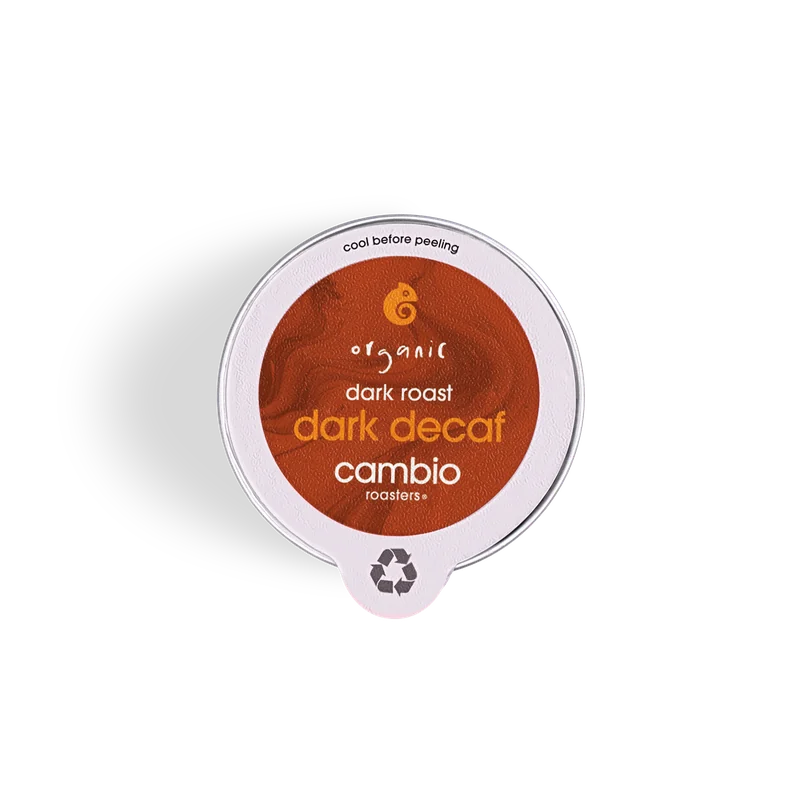
Packaging matters just as much. Traditional plastic pods do not preserve freshness as well as aluminum pods, which create a true airtight seal that keeps oxygen from degrading the coffee over time. Checking the roast date on the packaging is another simple, reliable way to confirm you are actually getting fresh coffee rather than something that has been sitting on a shelf for months.
What Makes a High-Quality Coffee Pod Bean?
Beyond freshness, the bean itself plays a major role in flavor quality. High-quality coffee pods typically use 100% Arabica beans, known for a smooth, well-balanced taste that holds up well in single-serve brewing.
Unlike Robusta, which can taste bitter and harsh, Arabica offers a more refined, enjoyable experience across the board. Specialty-grade and organic Arabica takes that even further, since those beans are carefully cultivated and free of pesticides or chemical additives, something we cover in more depth in our gourmet coffee guide.
Choosing pods made with premium Arabica ensures a genuinely superior brewing experience, giving every cup more richness and complexity than a generic blend can deliver.
How Do You Choose an Eco-Friendly Coffee Pod?
Sustainability is another real consideration when selecting Keurig® coffee pods. Most traditional pods are made from plastic, contributing meaningfully to environmental waste, and a significant volume of pods end up in landfills every day. Finding a genuinely eco-friendly alternative matters more than most buying guides give it credit for.
Recyclable aluminum coffee pods are a strong option, since they preserve freshness while cutting plastic waste at the same time, something we go into further in our eco-friendly coffee pods guide. Brands that use sustainable packaging and back it up with ethical sourcing practices help build a genuinely more responsible coffee industry, not just a greener-looking label.
Choosing a company that gives back to coffee farmers and supports environmentally conscious farming ensures your daily cup is both delicious and honestly sourced.
How Do You Choose the Right Flavor and Roast Level?
Personal taste plays a huge role in picking the right Keurig® pod. Roast level shapes flavor, body, and aroma more than almost any other factor. Light roast is bright and crisp, with subtle fruity or floral notes, and it retains more caffeine and acidity, making it a strong pick for anyone who enjoys a mild yet complex cup.
Medium roast offers real balance, a smooth body with hints of chocolate, nuts, or caramel, and it remains an excellent all-around choice for coffee lovers who want something versatile. Dark roast delivers bold, intense flavor, often with smoky, chocolatey, or caramelized notes, and its full-bodied character makes it a favorite for anyone chasing a rich, deep cup.
Flavored coffee pods add another dimension entirely. Options like hazelnut, French vanilla, or caramel offer a sweeter, more indulgent experience. These flavored varieties are genuinely enjoyable, but it is worth choosing a brand that uses natural flavoring rather than artificial additives, since that preserves the coffee's actual integrity rather than masking it.
Here is a quick reference for weighing all six factors at once.
| Factor | What to Look For | Why It Matters |
|---|---|---|
| Freshness | Roast date, airtight sealed packaging | Flavor and aroma fade fast after roasting |
| Bean quality | 100% Arabica, organic where possible | Smoother taste, lower bitterness than Robusta |
| Sustainability | Recyclable aluminum over plastic | Preserves freshness and cuts landfill waste |
| Roast level | Light, medium, or dark based on preference | Shapes body, acidity, and overall flavor intensity |
| Compatibility | Labeled compatible with your specific brewer | Prevents brewing issues or a poor extraction |
| Specialty grade | Graded on aroma, flavor, acidity, and body | Delivers a noticeably more refined cup |
Are All Coffee Pods Compatible With Every Keurig® Brewer?
Even the best coffee pods can fall short if they are not compatible with your specific Keurig® brewer. Most pods work across Keurig® machines generally, but some newer models have specific pod requirements worth checking before you buy in bulk. Making sure the pods you purchase are labeled compatible with your exact system prevents brewing issues down the line.
Brewing settings can also shape the final cup. Many Keurig® machines include a "strong" setting, which extracts more flavor from the grounds for a bolder result. Using a smaller cup size, like an 8-ounce setting, is another simple way to maintain strength and avoid a watered-down cup.
Are Specialty-Grade Coffee Pods Worth the Extra Cost?
Budget-friendly coffee pods are everywhere, but investing in specialty-grade pods makes a noticeable difference in quality.
Specialty coffee is graded and scored on factors like aroma, flavor, acidity, and body, a standard tied closely to the cupping protocols the Specialty Coffee Association uses to separate top-tier coffee from the rest- something we also cover in our Q-Grader explainer if you want to go deeper on how that grading actually works.
These premium pods are often sourced from small farms focused on ethical, sustainable practices, and they deliver a more refined, genuinely enjoyable experience compared to mass-produced options. Choosing specialty pods means every sip stays rich, smooth, and full of complex flavor instead of a flat, generic taste.
[Image placeholder: specialty-grade beans being evaluated during a cupping session]
So, How Do You Choose the Best Keurig® Coffee Pod?
Finding the best new Keurig® coffee pods for a fresh brew involves more than grabbing the most convenient option off the shelf. Freshness, bean quality, sustainability, roast level, and compatibility all play a real role in building the perfect cup.
Choosing pods made from freshly roasted Arabica beans ensures a genuinely superior flavor, while eco-friendly options like recyclable aluminum pods support a more sustainable coffee industry at the same time. Understanding what actually makes a great coffee pod lets you elevate your daily routine and enjoy a consistently fresh, flavorful brew.
Choosing the best new Keurig® coffee pods can elevate your brewing routine with brighter flavor and better freshness. Look for pods crafted with quality ingredients and sealed for peak taste. When you are ready to upgrade your coffee game, explore our range of expertly roasted coffee pods, built for a consistently fresh brew every morning.
Frequently Asked Questions
What is the actual difference between regular and specialty-grade coffee pods?
Specialty-grade recyclable coffee pods are scored on aroma, flavor, acidity, and body, using standards tied to professional coffee grading. Regular pods are graded for mass production instead, which usually means less consistency and a flatter, less distinctive flavor overall.
How can I tell if a coffee pod is actually fresh?
Check the roast date on the packaging first. Then look at the material: airtight aluminum pods preserve freshness far longer than standard plastic, which lets oxygen degrade flavor and aroma more quickly over time.
Will any coffee pod work in my Keurig® brewer?
Most pods work across Keurig® machines generally, but some newer models have specific requirements. Always check that the pods you are buying are labeled compatible with your exact brewer before purchasing in bulk.
What roast level should I choose if I'm not sure what I like?
Start with a medium roast. It balances body and acidity without leaning too far toward the brightness of a light roast or the intensity of a dark roast, making it the easiest entry point before exploring further.
Are aluminum coffee pods actually better than plastic ones?
Yes, on two fronts. Aluminum creates a true airtight seal that preserves freshness longer than plastic, and it is infinitely recyclable, while most plastic pods are difficult to recycle and often end up in a landfill.