



Quick Answer: Hazelnut coffee starts as ordinary Arabica beans, roasted first, then flavored, most often with a natural hazelnut oil infusion applied after roasting rather than mixed in before. From there it is ground, sealed to lock in freshness, and brewed like any other coffee. The flavor comes from the infusion process, not from actual hazelnuts in the bean itself, which is worth knowing whether you are chasing flavor or managing an allergy.
Hazelnut coffee is a beloved flavored coffee that combines the rich, nutty essence of hazelnuts with the bold taste of roasted coffee beans. But how does this delightful coffee actually come together?
The process involves careful bean selection, expert roasting technique, and flavor infusion to hit the right balance. In this guide, we will walk through the full journey from bean to cup, showing exactly how roasted hazelnut coffee is made. If you are wondering whether any of that involves real nuts, we cover that specifically in Does Hazelnut Coffee Have Nuts?
Where Do the Beans for Hazelnut Coffee Come From?
The journey of hazelnut coffee begins with high-quality coffee beans. We use 100% organic Arabica beans, sourced from small farms across the world's finest coffee-growing regions. The coffee belt, stretching across Latin America, Africa, and Asia-Pacific, provides the ideal climate for cultivating beans with rich, complex flavor.
Arabica beans specifically are known for a smooth, nuanced taste and lower acidity compared to Robusta, according to the National Coffee Association's own breakdown of coffee varieties. These beans are handpicked at peak ripeness to ensure the quality holds up through everything that comes next.
How Are the Beans Roasted for Hazelnut Coffee?
Once beans are harvested and processed, they head to our roasting facility. Roasting is the step that actually develops the flavor and aroma people associate with coffee in the first place.
We rely on small-batch roasting to make sure every batch reaches its full potential. That approach lets our roast masters control temperature and timing precisely, bringing out the best characteristics of each bean rather than settling for a generic result.
Roast degree shapes the final taste directly. Light roasts highlight bright acidity and floral notes, while dark roasts lean into deeper, caramelized flavor. For hazelnut coffee specifically, a medium roast is usually preferred, since it provides a balanced base that lets the hazelnut flavoring shine without fighting the bean's own character.
How Is Hazelnut Flavor Actually Added to Coffee?
After roasting, the next step is infusing the beans with hazelnut flavor. There are a few different ways brands approach this, and they are not all equal.
Here is how the three main methods actually compare.
| Method | How It Works | Flavor Depth |
|---|---|---|
| Natural flavor infusion | Freshly roasted beans coated in natural hazelnut oil, absorbed into the bean itself | Deep, well-integrated with the coffee's own character |
| Flavoring during brewing | Hazelnut syrup or extract added directly to already-brewed coffee | Convenient, but shallower and less consistent |
| Hazelnut and coffee blends | Real roasted hazelnuts ground and blended directly with coffee beans | Distinctly nutty, more textural |
Why Infusion Timing Actually Matters
Coating freshly roasted beans with natural hazelnut oil lets the beans genuinely absorb that nutty aroma without overpowering the coffee's own flavor underneath, which is the approach we favor for exactly that reason.
Adding hazelnut syrup or extract straight to brewed coffee is more convenient, but it does not deliver the same depth, since the flavor sits on top of the coffee rather than woven into it. Some brands take a different route entirely, grinding real roasted hazelnuts and blending them directly with coffee beans for a distinctly nutty, more textural profile.
How Should You Grind Hazelnut Coffee?
Once flavor infusion is complete, beans are ground to the consistency your brewing method calls for. A fine grind suits espresso, while a coarser grind works better for French press or drip coffee.
We protect that flavor investment by grinding only when necessary and sealing coffee in aluminum pods that lock in freshness, which prevents oxidation and preserves the hazelnut aroma right up until you brew.
How Is Hazelnut Coffee Packaged to Stay Fresh?
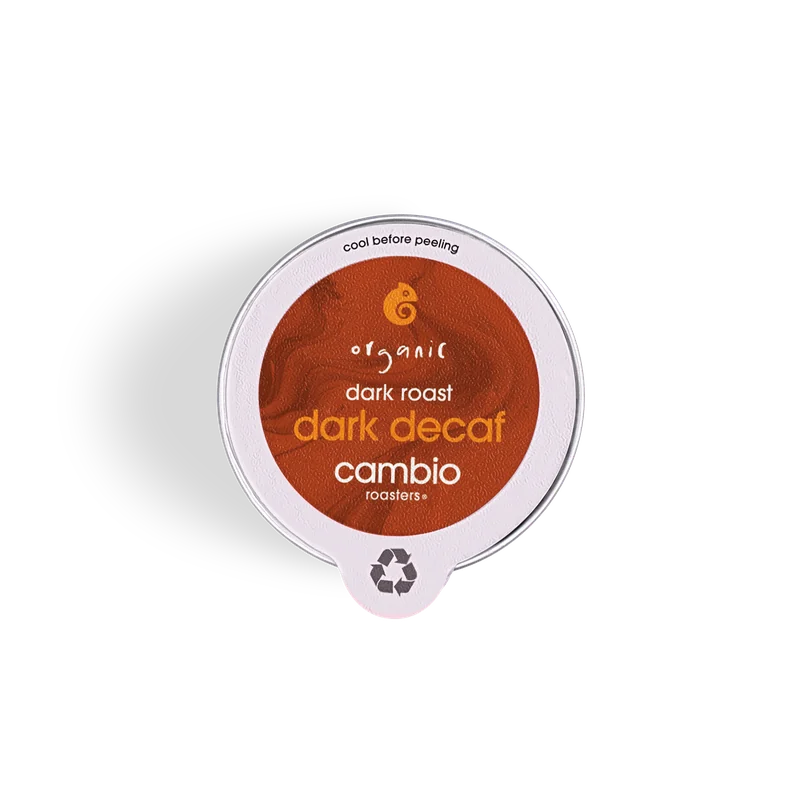
Sustainability sits at the center of how we package everything, hazelnut included. Unlike traditional plastic coffee pods, we use infinitely recyclable aluminum, which keeps coffee fresher while cutting environmental waste at the same time.
That choice pays off in a few concrete ways. Organic recyclable coffee pods lock in freshness by keeping oxygen away from the coffee inside. It is genuinely recyclable, cutting plastic waste and supporting a healthier planet with every pod. And it stays convenient, fully compatible with Keurig® brewers for an easy, mess-free brewing experience.
How Do You Brew the Perfect Cup of Hazelnut Coffee?
The final step in this whole journey is brewing, and with our recyclable aluminum K-Cup® pods, it has never been easier. Built specifically for Keurig® brewers, our Hazelnut coffee delivers a rich, aromatic cup without any guesswork or mess.
Start with a Keurig® brewer, since our pods are engineered specifically for that ecosystem and deliver the most consistent results there. For the richest flavor, brew on the 8 oz setting, or use the "strong" button if your machine has one.
Once you are done, let the pod cool before you recycle it, then peel the lid and recycle the pod along with composting the grounds separately. From there, make it yours: enjoy the roast as-is, or add a splash of milk or your favorite creamer to personalize the cup exactly how you like it.
So, What Makes Hazelnut Coffee Special?
From sourcing premium organic beans to roasting, flavor infusion, and packaging, making a genuinely great cup of hazelnut coffee takes real precision and care. We take pride in offering a sustainable, high-quality experience that tastes amazing while also supporting coffee farmers and the planet at the same time.
Roasted hazelnut coffee combines carefully selected beans with rich, nutty flavor to create a comforting, aromatic brew. If you are curious to taste the results of this whole process, explore our line of smooth, flavorful hazelnut coffee pods crafted to bring out the best in every cup.
Frequently Asked Questions
Does hazelnut coffee actually contain real hazelnuts?
Usually not. Most hazelnut coffee gets its flavor from a natural hazelnut oil infused into the beans after roasting, not from actual nuts. A smaller number of blends do mix in real ground hazelnuts for a more textural, nutty profile.
What roast level works best for hazelnut coffee?
Medium roast is the most common choice. It provides a balanced base that lets the hazelnut flavoring come through clearly without competing against the bolder, more assertive character of a dark roast.
How is hazelnut flavor actually added to the beans?
Most commonly, freshly roasted beans are coated with natural hazelnut oil after roasting, letting the beans absorb the aroma. Other methods include flavoring already-brewed coffee directly or blending in real ground hazelnuts.
Is hazelnut syrup the same as flavor-infused hazelnut coffee?
Not quite. Syrup adds flavor on top of already-brewed coffee, which is convenient but shallower. Infused beans absorb the hazelnut flavor during processing, giving a deeper, more integrated result throughout the cup.
How should I store hazelnut coffee to keep it fresh?
Keep pods sealed in a cool, dry place away from direct light and heat. Aluminum pods already block oxygen and light effectively, so proper storage mainly means avoiding humidity and temperature swings before you brew.