


Quick Answer: Medium roast tastes balanced, smooth, and a little sweet, with more of the bean’s origin character. Dark roast tastes bold, smoky, and low in acidity, with more of the roast itself. Caffeine is nearly identical by weight, so the real difference is flavor, not buzz. Pick medium roast for brightness and nuance, and dark roast for body and punch.
What Is the Real Difference Between Dark Roast and Medium Roast?
The difference comes down to time and heat. Every coffee bean starts as a dense green seed, and the roaster decides how far to take it. Medium roasts stop shortly after the beans finish the first crack, usually somewhere around 410 to 428°F. Dark roasts keep going into or past the second crack, often near 465°F, which is where the beans turn deep brown, and the surface oils show up.
We roast in small batches, and we’ve watched this play out hundreds of times. Pull a batch thirty seconds early, and you get sweetness and a little brightness. Let it ride, and the sugars caramelize, then darken, then turn smoky. Neither one is wrong. They’re two different answers to the same bean. You can read more about how we source and roast our small-batch Arabica.
How Do Dark Roast and Medium Roast Taste Different?
Medium roast tastes balanced. You’ll usually get caramel, milk chocolate, toasted nuts, and a gentle acidity that keeps the cup lively. Because the bean isn’t pushed as far, a medium roast lets the origin come through, so a Colombian tastes like Colombia and an Ethiopian tastes like Ethiopia.
Dark roast tastes bold. The roast flavor takes the lead, so you get dark chocolate, toasted sugar, and a smoky edge, with a heavier body and very little acidity. Push it too far, and it can turn bitter or ashy, which is why roast control matters more with dark roasts than anywhere else.
Here’s a side-by-side look.
|
Does Dark Roast Have More Caffeine Than Medium Roast?
No. This is the most common myth in coffee, and it’s worth clearing up. A bold, dark cup feels stronger, so people assume it carries more caffeine. It doesn’t. Caffeine is quite stable under roasting heat, so the amount in a bean barely changes between medium and dark.
What does change is density. Roasting makes beans lose water and expand, so a dark roast bean is lighter and larger than a medium roast bean. If you scoop by volume, a scoop of dark roast holds slightly fewer beans and a touch less caffeine.
If you weigh your coffee, the two come out almost identical. The FDA notes that most healthy adults can enjoy up to about 400 milligrams of caffeine a day, per its guidance on how much caffeine is too much. That’s roughly four cups of brewed coffee, whichever roast you choose.
If caffeine is the real question, roast level isn’t the lever. Bean variety, serving size, and brew method matter far more. And if you want to cut back without giving up flavor, our limited edition half-caff specialty coffee pods come in both medium and dark roast, so you can keep the taste and ease the caffeine.
Which Roast Is Better for Your Stomach and Acidity?
Many people find dark roast gentler. The longer roast breaks down more of the acids that give coffee its tang, so the cup tastes smoother and rounder. If coffee tends to feel sharp on an empty stomach, a dark roast is a sensible place to start.
That said, acidity in the mug and acidity in your stomach aren’t always the same thing, and everyone reacts differently. If you’re sensitive, try both light roast vs. dark roast with food and see how you feel. Swapping to a lower acid roast is an easy experiment, and it costs you nothing but a new bag.
Which Brew Method Works Best With Each Roast?
Match the roast to the method, and everything gets easier. Medium roast shines in drip machines and pour-over, where a clean, even extraction lets its sweetness and light fruit notes show. It also works beautifully in single-serve brewers.
Dark roast loves pressure and steeping. Espresso, French press, and cold brew all bring out its chocolatey depth and heavy body while softening any bitterness. A dark roast also holds its own under milk and sugar, which is why so many lattes start there.
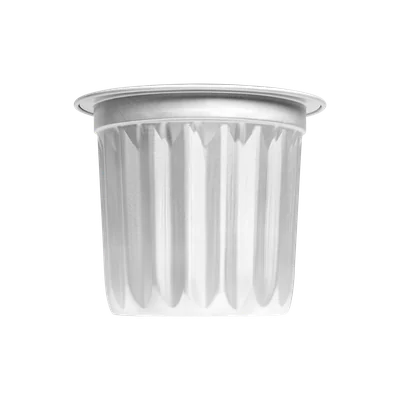
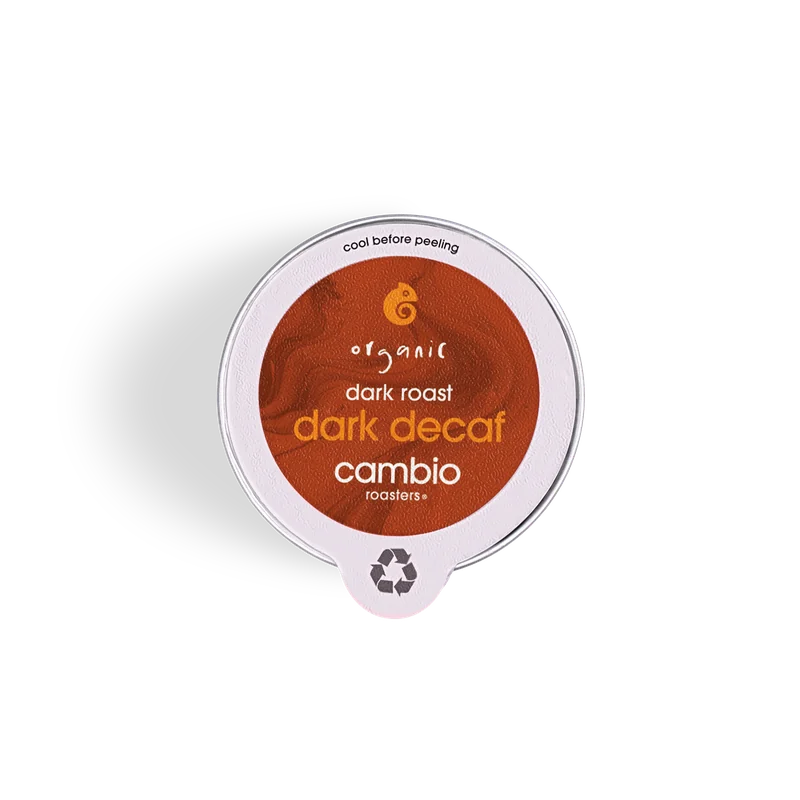
Pods are where this gets practical. We make our recyclable aluminum K-Cup® compatible pods in both profiles, so you can run a bright medium roast in the morning and a deep dark roast after dinner without changing machines.
How Do You Choose Between Dark Roast and Medium Roast?
Start with how you drink your coffee. Black coffee drinkers who like to taste where the bean came from usually land on medium. People who add cream, sugar, or steamed milk, or who want something that stands up to a strong brew, usually land on dark.
Then think about the time of day. A balanced medium roast is a great all-day cup. A dark roast makes a satisfying finish to a meal. Honestly, the best answer is to keep both on hand. When you’re ready to compare, you can shop our full lineup and taste the difference yourself.
The takeaway is simple. Dark roast vs medium roast isn’t a contest of strength. It’s a choice between nuance and boldness, and caffeine barely enters into it. Pick the flavor you’ll look forward to, and that’s the right roast.
Frequently Asked Questions
Is dark roast stronger than medium roast?
Dark roast tastes stronger because of its bold, smoky flavor, but it isn’t stronger in caffeine. By weight, the two are nearly identical.
Which roast has more caffeine, dark or medium?
Medium roast can have a tiny bit more caffeine when measured by scoop, because its beans are denser. When you weigh your coffee, the difference is minimal.
Is dark roast less acidic than medium roast?
Yes. The longer roast reduces the acids in the bean, so dark roast tastes smoother and rounder, and many people find it easier to drink.
Which roast is better for espresso?
Dark roast is the traditional choice for espresso because of its full body and low acidity, though a medium roast can make a sweeter, brighter shot.
Can I use medium roast for cold brew?
Absolutely. Medium roast makes a brighter, fruitier cold brew, while dark roast makes a richer, chocolatey one. Both work well.